Compact loop night
Test lights and reflective bits on a familiar 3–5 km circle before committing to a longer social walk.

Hiking and snowshoeing look simple until the map gets damp, the ski track narrows, or your group splits on pace. This page focuses on route shape, footwear grip, and small group habits that keep foot travel comfortable in northern weather.
Route planning
When you sketch a loop, mark where the sun sits during your return leg. A westward finish on a clear winter afternoon can feel glorious or blinding depending on tree cover. If you travel with someone who moves slower uphill, plan the steeper segment early while everyone is fresh, then choose a flatter return where conversation is easier. That sequencing matters more than total kilometres on paper.
Carry a paper map even if you love digital tools, because batteries dislike cold and wet zippers. Fold the map to the active quadrant and slip it into a transparent sleeve you can read without removing gloves. If you navigate with a phone, tuck it deep enough that sweat does not fog the camera glass; fog is surprisingly common on humid spring hikes.
Snowshoes change your width. On narrow forest tracks, practise a slightly shorter stride so you do not rake bark off young trees. If you step off trail to let faster skiers pass, step into deep snow only when you can do it safely without post-holing into hidden obstacles. When in doubt, pause in a visible pocket rather than improvising a diagonal shortcut across fragile ground cover.
Grip & shoes
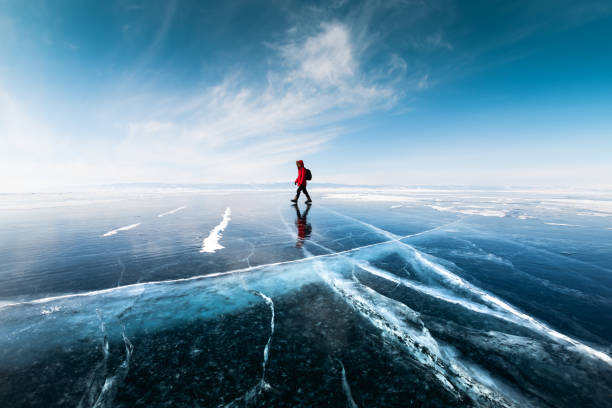
Many slips happen on benign-looking roots that are glossed with a millimetre of moisture. If your soles are hard, shorten your stride on wood and rock. If you use removable traction aids, practise putting them on before you are standing on a slope. Carry a small rag to dry hands before handling metal buckles in freezing air; wet skin sticks.
Snow travel adds the question of float versus drag. Deep powder days reward wider decks and patient hip movement. Hardpack days reward lighter shoes and careful edge control if you side-hill even briefly. Listen to your ankles; fatigue there is a signal you are fighting the equipment instead of adjusting route or pace.
On the trail
Carry enough light. A headlamp with fresh batteries is a kindness to your future self when sunset math was optimistic. If someone in your group uses asthma inhalers or similar supports, keep them in an inner pocket so cold does not change how the device feels in the hand. This is general preparedness talk, not medical guidance; personal devices need personal instructions from qualified professionals.
Watch for early hypothermia signs in quiet ways: someone stopping talking, fumbling zippers repeatedly, or agreeing to odd shortcuts. Create a culture where anyone can call a break without embarrassment. If you cross roads, remove poles from wrist straps before stepping on asphalt so a stumble does not become a pole entanglement.
Teach kids a simple meeting rule: if separated, stop at the last visible trail marker you all recognised and count slowly. Fancy plans fail when children are frightened; simple anchors work better.
Calendar
Walking-oriented events often include volunteer maintenance windows, short citizen science plant counts, or community history walks that move slowly enough for questions. Those are excellent learning environments because the social expectation is curiosity, not speed. If you join a timed hike, read the rules about poles and pack size; crowded starts reward compact rigs.
For winter lantern walks, confirm whether dogs are welcome and whether the route uses roads shared with cars. Reflective patches on sleeves help drivers read human shape at dusk. If an event offers a hot drink, bring your own cup to reduce queue time and waste.
Test lights and reflective bits on a familiar 3–5 km circle before committing to a longer social walk.
Drainage brushing teaches you where water actually pools after rain.
Trail etiquette
Practically, the more manoeuvrable party often steps aside, but local signage may define it. Communicate early with a calm voice, not a sudden stop in blind corners.
Moderate voices reduce stress for wildlife and other visitors. If you play music, use headphones or keep volume barely audible; many people come to forests for quiet.
Break them in on pavement and short grass first. New stiff cuffs can rub Achilles on downhills; adjust lacing and socks before blaming the boot forever.
Ready to combine walking with a water day later in the week? Move next to the paddle guide for launch habits that mirror the same respect-for-others mindset.