Foot travel
Focus on foot care, pacing, and navigation habits that work when phone batteries sag in the cold.
Open the trail guide
Whether you are based near Oulu or visiting the north for the first time, most mishaps come from small planning gaps: the wrong jacket layer, a rushed lunch stop, or a route that ignores wind on open lakes. These guides focus on everyday outdoor skills you can reuse on forest walks, paddle mornings, bike links, and cold-season ski or snowshoe loops.
On foot, pick a pace you can hold for a few hours, not a sprint that leaves you shaky on roots. Sheltered spruce edges are warmer lunch spots than exposed lake points when the breeze picks up.
Before a kayak or SUP morning, check straps, footrests, and leash hardware at home so the boat ramp stays calm for everyone. Keep a dry bag you can open with cold, wet hands.
In winter, treat sweat as something to manage, not ignore. Slow down before you peel layers in the wind so you do not chill damp skin on the ski track.
Start here
Outdoor plans rarely follow a perfect script: rain arrives early, a rental boat feels different from yours, or the kids need an unscheduled snack stop. These pages collect habits that regular hikers, paddlers, cyclists, and winter trail users rely on in Finland—things like folding a paper map so sleet does not destroy it, agreeing on a turn-back time before tired brains negotiate, and keeping mittens somewhere you can reach without emptying your whole pack.
Finnish paths, ski tracks, and lakeshore routes are often shared. That means yielding space, keeping dogs on a leash where signs ask for it, and choosing a line that does not force faster skiers to brake sharply around you. On wide lakes, flat light can hide the horizon even when the air feels mild, so a simple compass habit still matters alongside your phone map.
Skim a guide once when you pick a route, then open it again while you pack. The contacts page is for trip-planning questions in everyday language—not for medical decisions or emergency help.
Safety basics
Ask a few quiet questions while everyone still has warm hands: Where could we shorten the route if wind doubles? Who can describe the next landmark out loud? Is there a spare dry hat in case one blows away? The goal is fewer last-minute guesses when people are tired or cold.
Even in cold air you lose moisture while moving, so sip water on a steady rhythm. On shared trails and ski tracks, keep headphone volume low enough to hear bikes, skis, or snowmobiles behind you. With dogs, read the local leash rules for the municipality you are in—they are not identical everywhere.
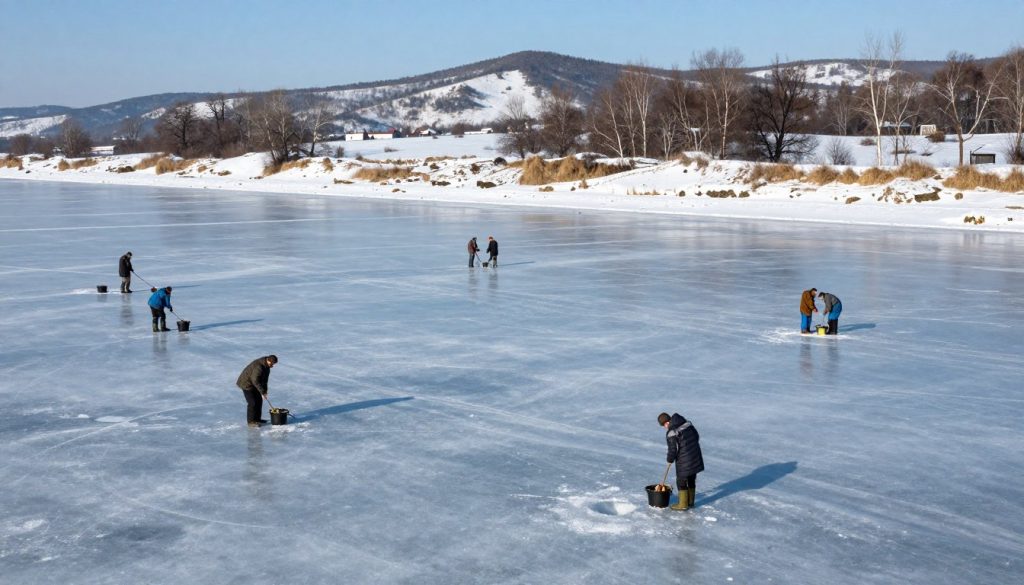
Never guess at lake or river ice from a photo or social post. If you are unsure, pick a bridge, an official crossing, or another day. This site never evaluates ice conditions for you.
Pick your day
Many weekends combine more than one activity: hike to a lean-to, sleep light, pedal home on a quiet road, or ski in the morning and walk the shore in the afternoon. Naming the main activity still helps you pack—hiking wants stable boots and a pack that does not bounce; paddling wants swim-ready layers and tidy deck lines; bike overnights want compact bags and snacks you can reach without unpacking; winter skiing or snowshoeing wants breathable layers and food that stays chewable in the cold.
Day length changes a lot with latitude and season. In late spring you might squeeze in an evening paddle after work if the wind forecast looks kind. In deep winter a short snow loop can still feel big if snow is deep and untracked, so paper distance numbers can mislead you.
Focus on foot care, pacing, and navigation habits that work when phone batteries sag in the cold.
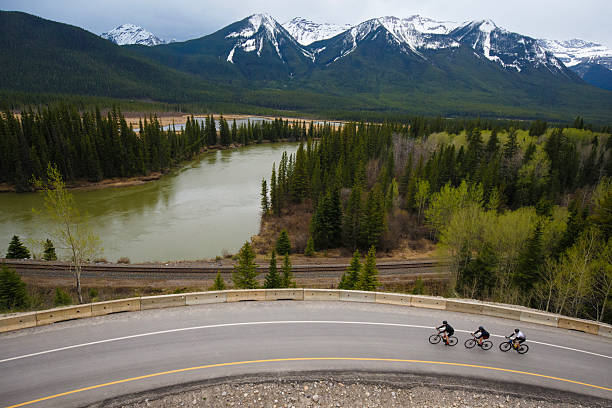
Open the trail guideBuild a launch checklist that respects changing wind rows across wide northern lakes.
Open the paddle guideCarry less, secure more, and plan food stops that do not rely on shops being open late.
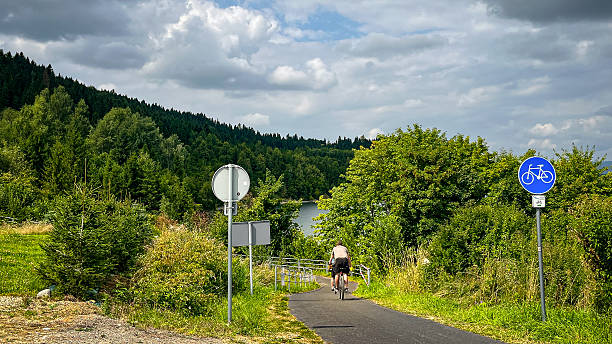
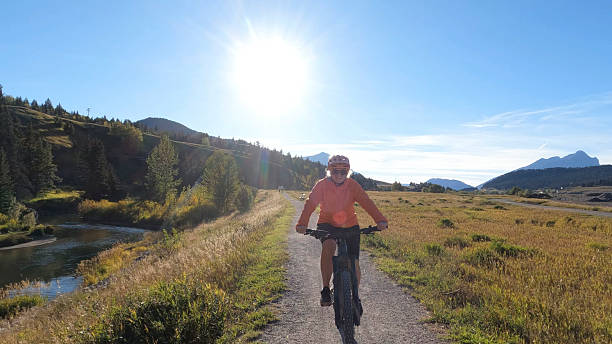
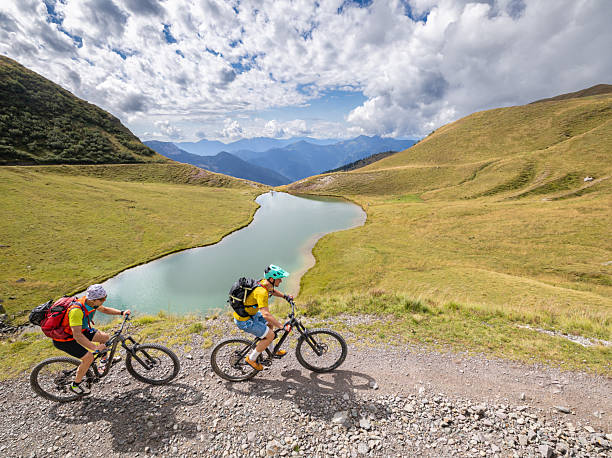
Open the bike guideLearn a layer rhythm that keeps you dry, not just warm at the trailhead.
Open the winter guide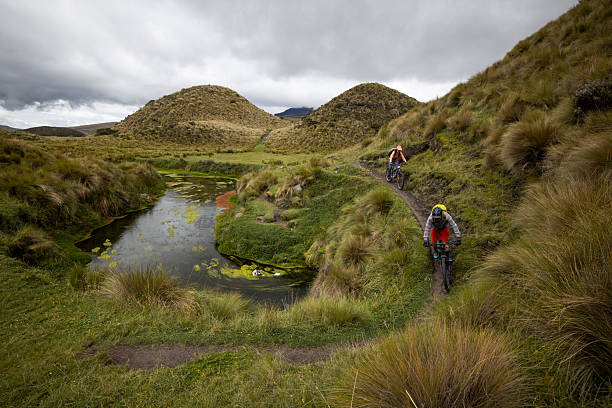
Weather & terrain
Use the forecast as a starting hint, then translate it into what you will wear and where you will stop. Still mornings might mean starting slightly cool so the first climb does not soak your base layer. If wind is forecast to swing toward open water, eat lunch behind trees or a low ridge instead of on a windy pier.
Wet ground and low forest pockets often stay colder and foggier than nearby ridges. Bridges and narrow cuts can funnel wind. After each trip, jot one line in your phone about what you noticed—'west wind kept the east shore surprisingly calm'—so next month you remember which launch felt easier.
Match shoes or boots to the surface: softer forest humus versus hard-packed gravel connectors. If you borrow gear, walk around the block first; an unfamiliar heel lift shows up quickly on sloped roads.
Community
Races and festivals are only part of the picture. Many towns run volunteer trail clearing, relaxed ski club evenings, or small paddling gatherings that teach local etiquette better than any brochure. Treat organised dates as anchors, but remember you can still take a quiet walk on a weekday—outdoor life is not limited to ticketed days.
When you join an event, plan a little extra time for parking, changing clothes, and finding the start banner. Families often move at mixed speeds, so tight minute-by-minute schedules create stress. If you visit from abroad, email organisers early if you need English instructions; most people are glad to help when they have notice.
Shorter lit loops are a friendly way to test glove systems without committing to a remote trailhead.
Some nesting stretches ask for wider detours; treat posted guidance as part of the route, not an obstacle.
Plan extra time on footpaths near low brush; slow movement reduces trampling and keeps tempers calm.
Plan the trip
Start from how rested you are, not from an online leaderboard. After a heavy work week or poor sleep, pick a route with several early exits and a warm café or lean-to along the way. When you feel strong, add one new skill—maybe a short compass leg between obvious terrain features—instead of piling on extra kilometres for pride.
Match group size to the trail or boardwalk width. Large bunches clog narrow paths and stress other users. If you must travel in a big group, split departure times or pick wide forest roads. With mixed ages, rotate simple jobs: one person keeps time, another keeps snacks handy, a third reads the map for that leg.
Pack food you are happy to eat cold. Hot meals are great when they happen, but delays appear—dense bread with nut butter, dried fruit, and salty crackers survive bouncing in a pack.
Questions
Start with reliable basics: visible clothing, decent rain protection, and footwear that fits. Borrow if you can, but test fit early. Price does not equal suitability if the cut is wrong for your stride.
Cover cuffs, use a headnet for stops, and plan lunch in breeze if possible. Repellents vary by preference; read labels and follow your own comfort.
Sometimes, on familiar lit loops or with a calm group and good lights. Unknown technical terrain at night raises simple trip risks; treat darkness as a filter that demands narrower goals.
Only if you already practise self-rescue skills in controlled settings, water is warm enough for your plan, and someone present understands how to help call for assistance. Cold water is unforgiving.
No. We are an independent publisher. For official visitor services, transport, and permits, use national and regional authority sites and local land managers; treat our pages as informal companion reading only.
No. This site does not process paid bookings or sell equipment. The contacts page is for questions about the articles themselves, not for arranging commercial trips on your behalf.
Transparency
Who operates this site. Radiantwyflora.world is an independent English-language publisher in Oulu, Finland (Y-tunnus FI10435606). The articles are editorial summaries of common outdoor habits—useful for planning, not a substitute for your own judgment, official route closures, or professional instruction where that is required.
What we are not. We are not a government agency, a national park or rescue service, a paid guiding company, a shop, a travel agency, or a medical provider. Nothing on these pages is an offer to sell tours, equipment, insurance, or on-call safety supervision.
Official sources. Follow local signage, municipal and land-manager rules (for example national parks and water areas), and real-time warnings from Finnish authorities and weather services. We do not verify ice thickness, avalanche risk, or water conditions for your trip.
Emergencies. If someone is in immediate danger in Finland, call 112. Do not wait for an email reply from us in an emergency.
Advertising and moderation. If you reach us through an online ad, the landing page you see is the same public content as for everyone else: no hidden downloads, no misleading “official” badges, and no promise of specific outcomes from reading the guides.
For postal address, phone, email, and the contact form, open the Contacts page. Legal wording is in the Privacy policy, Cookie policy, and Terms of use linked in the footer.
Contact
Want a second pair of eyes on a weekend around Oulu? Send rough dates, whether you are on foot, on water, on a bike, or on snow, and who travels with you. We aim to reply in plain English and to point to public maps and club resources where that helps. This stays general trip planning—we do not assess your fitness, give medical advice, or guarantee that a route will be open or safe on the day you travel.
Privacy, cookies, and site rules are linked in the footer if you need the formal wording.